Rhodium Plating
Rhodium plating is one of our most popular services so we thought we'd share more about the process, addressing commonly asked questions.
The rhodium plating process involves several steps:
What is Rhodium Plating?
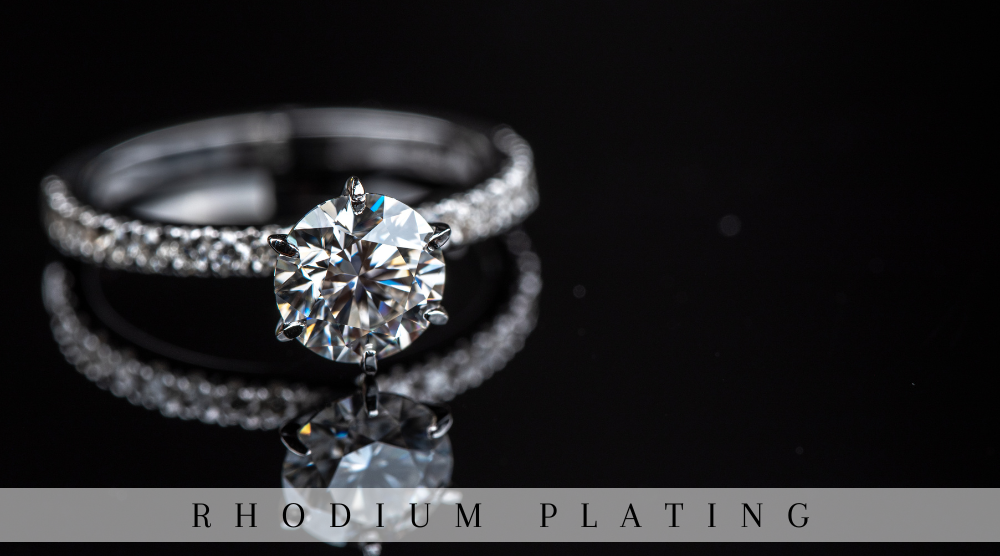
Rhodium plating, also known as rhodium dip or rhodium flashing, involves applying a thin layer of rhodium to the surface of jewellery. Rhodium is a rare, naturally occurring white metal known for its brilliant shine and reflective properties. It’s a member of the platinum group and is highly resistant to tarnish and corrosion, making it an excellent choice for jewellery coating.Why is Rhodium Plating Used?
The primary reasons for rhodium plating are:- Enhanced Appearance: Rhodium provides a bright, white finish that enhances the overall look of jewellery, particularly white gold, which tends to have a yellowish tint naturally.
- Increased Durability: The plating adds a protective layer that resists scratches and tarnish, maintaining the piece's beauty for longer.
- Hypoallergenic Properties: Rhodium is hypoallergenic, making it a great option for those with sensitive skin.
How Long Does Rhodium Plating Last?
The longevity of rhodium plating varies based on several factors, including the frequency of wear and the type of jewellery. Typically, rhodium plating on rings may last from 6 months to a year, while less frequently worn pieces, such as earrings and necklaces, can maintain their plating for several years. Regular maintenance and occasional re-plating are recommended to keep the jewellery looking its best.Can All Jewellery Be Rhodium Plated?
While rhodium plating is most commonly used on white gold, it can also be applied to silver, platinum, and occasionally yellow gold to achieve a white finish. However, it’s essential to note that rhodium plating on yellow gold may wear off more quickly due to the colour contrast.
The Rhodium Plating Process
The rhodium plating process involves several steps:- Cleaning: The jewellery is thoroughly cleaned to remove any dirt, oil, or old plating.
- Polishing: The piece is polished to ensure a smooth surface for the rhodium application.
- Electroplating: The jewellery is submerged in a rhodium solution and an electric current is applied, bonding the rhodium to the surface.
- Is Rhodium Plating Safe?
Caring for Rhodium Plated Jewellery
To extend the life of your rhodium-plated jewellery, follow these care tips:- Avoid Harsh Chemicals: Keep your jewellery away from household cleaners, chlorine, and other harsh chemicals that can damage the plating.
- Store Properly: Store your pieces separately in a soft pouch or jewellery box to prevent scratches.
- Regular Cleaning: Clean your jewellery with a mild soap and water solution, and gently dry with a soft cloth.